What Wearables Measure Well, and What They Guess
Heart rate and movement are decent. Sleep staging, calories, and recovery scores are inference layered on inference.
Marcus Chen
Senior Editor
Sep 21, 2026 • 10 min
What the data says
±20–30%
Typical error range reported for wrist-worn energy expenditure estimates in validation studies.
Source: Device validation studies
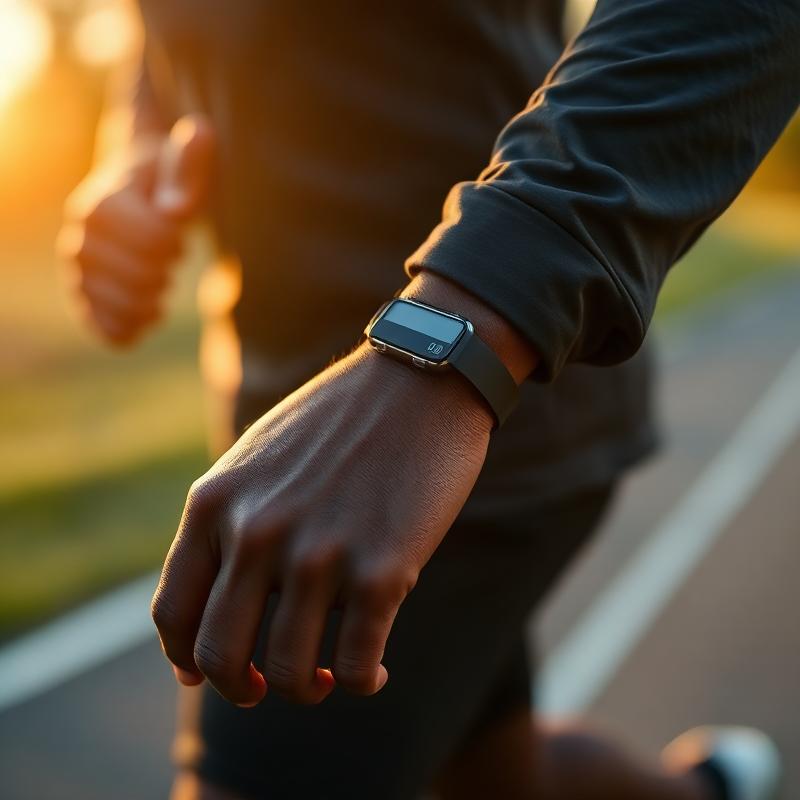
Optical heart rate at rest is generally accurate; during high-intensity or wrist-flexing exercise it degrades noticeably. Chest straps remain the reference for training use.
Sleep staging from wrist movement and pulse is inference. Devices detect sleep versus wake reasonably well and assign stages far less reliably when checked against polysomnography.
Energy expenditure estimates carry wide errors, and eating against a wrong number is the most common way a wearable makes things worse.
The honest use is trend, not absolute value. Compare your own numbers to your own numbers, measured the same way, and ignore the composite scores unless they correlate with something you can feel.
Editorial note: this article summarises published research for general information. It is not medical advice. Discuss any intervention with a qualified clinician.