VO2 Max Is the Strongest Modifiable Longevity Lever We Can Measure
Cardiorespiratory fitness separates mortality risk more sharply than smoking status. The training needed is more ordinary than the statistics suggest.
Marcus Chen
Senior Editor
Jul 8, 2026 • 13 min
What the data says
≈5×
Difference in all-cause mortality risk between the least-fit and most-fit quintiles in large treadmill-tested cohorts.
Source: Large cardiorespiratory fitness cohort studies
In cohorts where fitness was measured directly on a treadmill rather than by questionnaire, the gradient between the lowest and highest fitness groups is among the largest in epidemiology, and the steepest part of the curve is at the bottom. The move from unfit to moderately fit does most of the work.
The training structure that produces it is well established and unexciting: three to four hours per week of easy conversational aerobic work, plus one weekly session of harder intervals — four to six efforts of three to four minutes at an effort you could not hold for ten. Most people fail here by making the easy work moderately hard, which accumulates fatigue without building either base or top end.
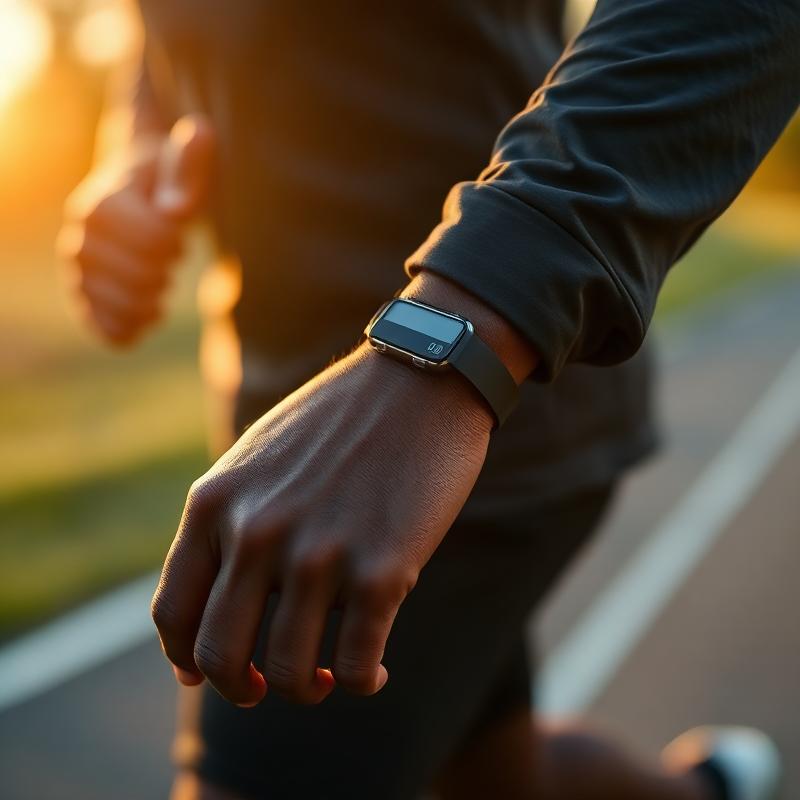
Wearable VO2 max estimates are derived from heart rate and pace and are unreliable in absolute terms, but reasonably useful for direction over months. If you want a real number, a submaximal step test or a supervised graded exercise test is the honest option.
Improvement in previously untrained adults typically lands between 10 and 20 percent over three to six months, at any age studied. Combined with two resistance sessions per week, this is the most evidence-backed protocol in the entire longevity field, and it predates every supplement in it.
Moving out of the bottom fitness quintile produces a larger risk change than anything else on the longevity menu.
Editorial note: this article summarises published research for general information. It is not medical advice. Discuss any intervention with a qualified clinician.