Third-Party Testing Is the Only Quality Signal Worth Reading
Supplements are regulated as food in most markets. Independent certification is the gap-filler.
Marcus Chen
Senior Editor
Oct 6, 2026 • 8 min
What the data says
Post-market
Supplements are generally policed after they reach shelves, not verified before.
Source: Regulatory frameworks for dietary supplements
In most jurisdictions supplements do not require pre-market proof of content or purity. Enforcement is reactive, which puts verification on the buyer.
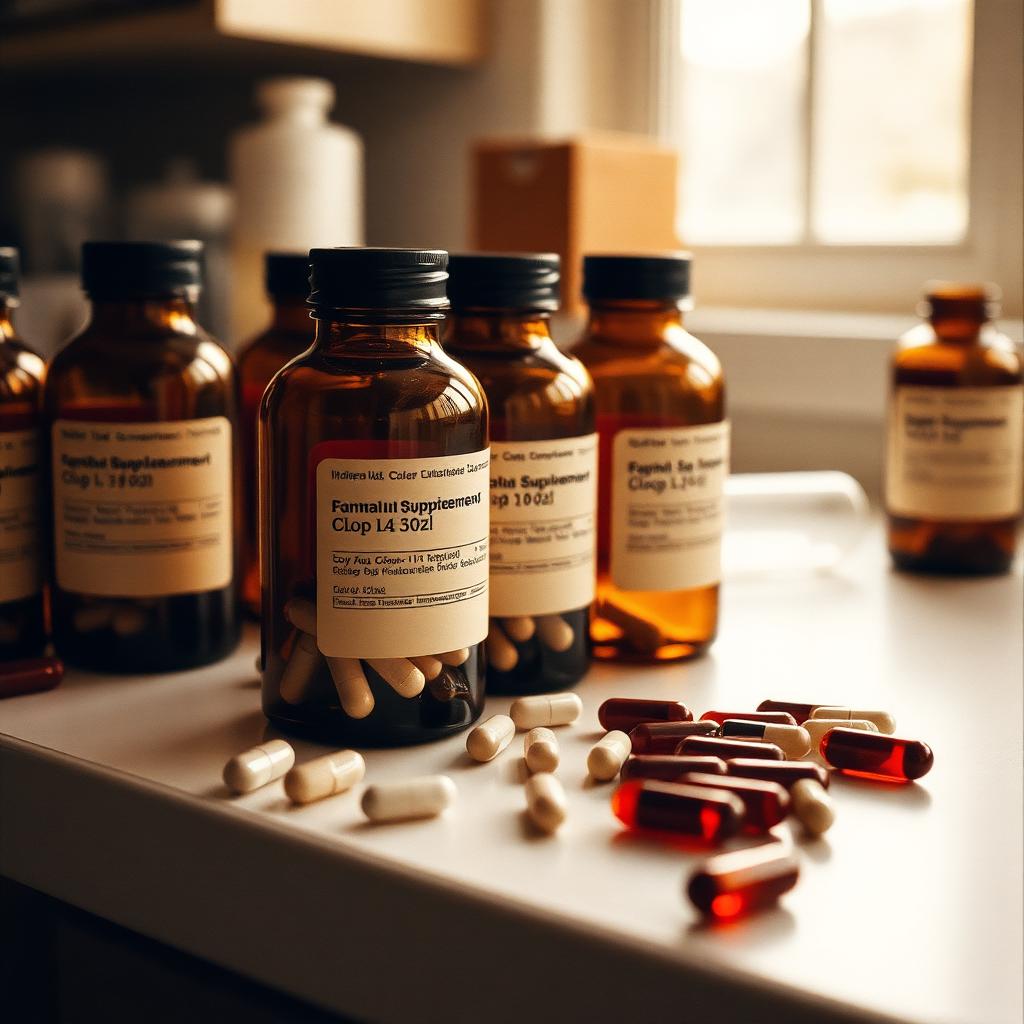
Independent certification programs test for identity, contamination, and banned substances. A certification mark is not proof of efficacy; it is evidence the bottle contains what the label claims.
Analytical surveys have repeatedly found under-dosed and mislabelled products in categories where the active ingredient is expensive.
Prefer single-ingredient products with certification and a legible expiry date. Proprietary blends without per-ingredient amounts cannot be evaluated at all.
Editorial note: this article summarises published research for general information. It is not medical advice. Discuss any intervention with a qualified clinician.